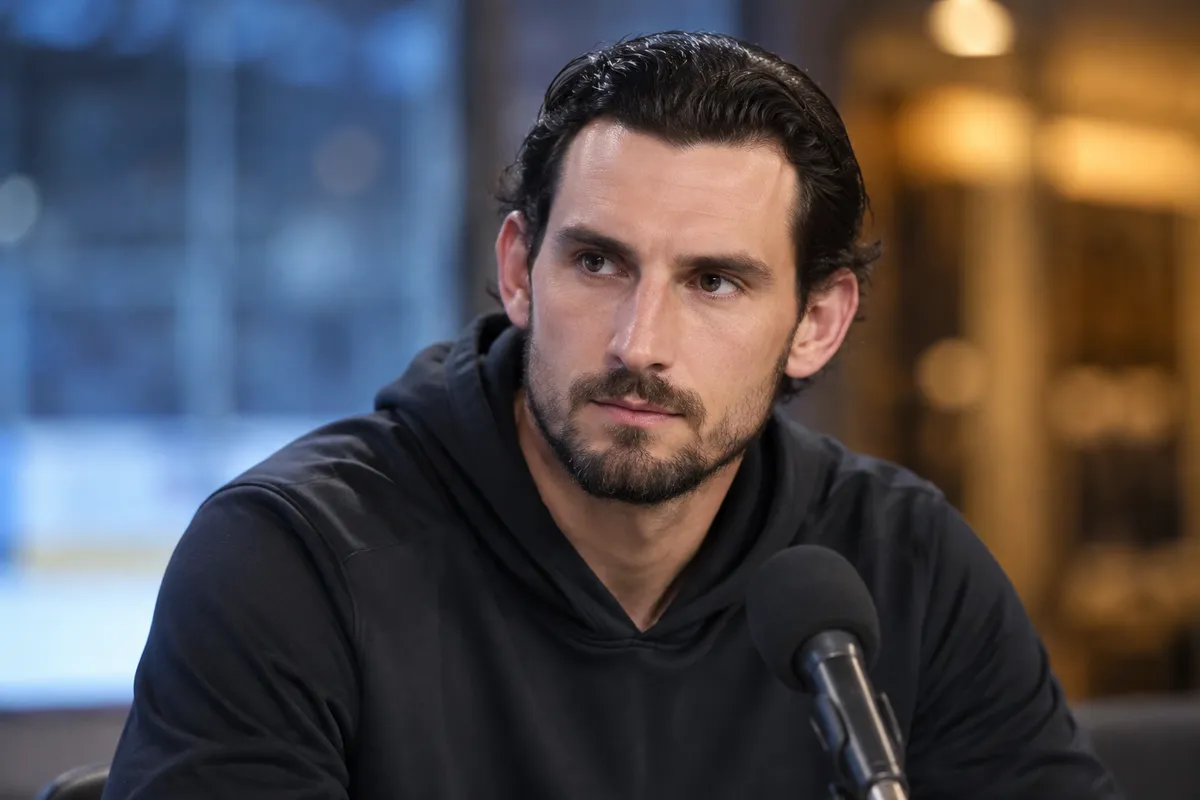

Former Cowboys fullback Moose Johnston says the breakup of Jimmy Johnson and Jerry Jones came down to ego and credit. Speaking on "Don't @ Me w/ Dan Dakich," per Fox News, Johnston argued that neither man was interested in sharing credit for turning the Dallas franchise around.
That's a short claim, but it points at a useful lesson: how a championship-level organization can come apart over who gets the praise. Here is what Johnston said, what it suggests, and how to think about it.
What Moose Johnston Actually Said
According to the Fox News clip description, Johnston frames the Johnson–Jones split as a power struggle. His view is that the pair couldn't share credit for the Cowboys' turnaround, and that this was a core reason the partnership couldn't last.
That is Johnston's perspective, not a documented ruling on what happened. The clip as described doesn't include a detailed timeline or additional quotes, so treat this as one former player's read on the situation. Johnston is worth hearing out, since he played for the Cowboys, but he's offering an opinion on motives.
Why the Credit Question Matters
The Cowboys' 1990s run remains one of the NFL's biggest "what if" stories. Fans still debate how the team's story might have gone if the partnership had stayed intact, and they still argue about Jones' role in Dallas' struggles after Johnson left.
Credit is a real issue in football because a turnaround has two authors: the person running the football operation and the person running the sideline. When both believe the success is mostly theirs, there is no room left for the other to be recognized. Johnston's take is that this was the sticking point in Dallas.
Our Take: Ego Is a Roster Problem Too
This part is our analysis, not Johnston's. Talent gets the attention when teams fall apart, but a front office and coaching staff that can't coexist is a hidden cost. If Johnston is right, the Cowboys' dynasty ended because of the relationship at the top rather than anything on the field.
It's hard not to wonder what a more cooperative arrangement would have looked like. But that's speculation. Nobody can say how many more Super Bowls Dallas might have won, and the clip description doesn't claim to answer that.
What Modern Teams Can Take From It
You can apply the Cowboys story to any franchise you follow. A few questions to ask when you see friction between a coach and an owner or general manager:
- Who speaks publicly after wins? If one person keeps claiming the success, that's a warning sign.
- Are roles clearly divided? Overlapping authority over personnel and strategy is where power struggles tend to start.
- Does the team keep winning after the credit fight? Dallas' post-Johnson years are the cautionary example fans cite.
These are our suggestions for reading the situation, not findings from Johnston's comments.
Keep the Debate Honest
The "who deserves the credit" argument will never be settled, and that's partly why it endures. Johnston's comment adds a fresh voice, but it's one voice. If you want to judge for yourself, watch the full episode of "Don't @ Me w/ Dan Dakich" via Fox News, and separate what's stated as fact from what's opinion.
The next time a team's success story starts turning into a fight over who built it, remember Dallas: ask whether anyone is willing to share the credit, because Johnston says that's where this partnership broke.