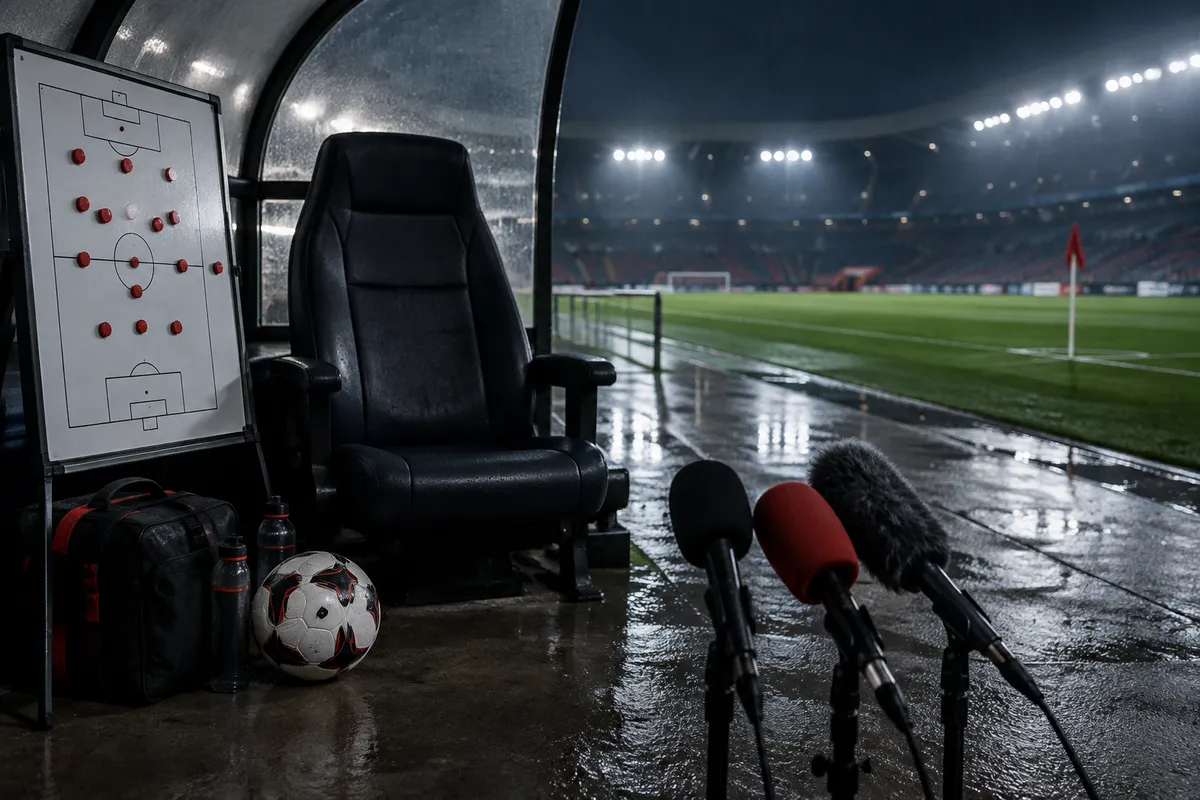

The 2026 FIFA World Cup is here, and if you follow an English club, you now have two seasons to watch at once. The tournament is the main event, but the stories that carry into next season are the ones that matter to your club. This guide gives you a simple way to follow it: watch for how national-team performances can feed back into club form, fatigue and transfer talk.
A quick note on scope. This site mostly covers the NFL, but this tournament is drawing a broad sports audience, so here is a football explainer for fans who cross over. The framework comes from a Premier League preview of the tournament (originally surfaced via Google News), which frames the World Cup as the biggest edition yet and says Premier League players, transfers and club storylines will increasingly shape the global football conversation. Specific player forecasts are not included here, because we would rather not guess at names we cannot back up.
Start with your club's players, not the bracket
The easiest way to make a huge tournament manageable is to pick a lens. The Premier League preview centers on what English-club fans should look out for, so begin with a short list:
- Write down every player from your club who is at the tournament.
- Note which national team each one plays for.
- Follow those teams' matches first, then the rest of the schedule.
That turns dozens of games into a handful you actually care about. It also shows you something useful: how many of your club's key players are tied to deep tournament runs.
Watch for stars who define the tournament
The preview's first angle is which Premier League stars are most likely to shine. You do not need a prediction to use that idea. When you watch, ask three questions of your own players:
- Is he playing the same role as at your club, or a different one?
- Is he a focal point of his national team, or a supporting piece?
- Does he look sharp, or is he already carrying a heavy load?
Those answers tell you more than a goal tally. A player used differently for his country may return with new tricks, or with habits your manager has to undo.
Keep fatigue in view
Another angle the preview raises is how an expanded World Cup could affect club form and fatigue. This is the part that lands hardest on your club's next season. Our take, not a reported fact: the further a player goes, the less rest he gets before pre-season.
So track two simple things as the tournament runs:
- Minutes played. A starter who plays every match is carrying a bigger load than a rotation player.
- How far his team goes. A deep run means a shorter break.
If your club has several players in that category, expect the manager to face tough decisions about early-season rotation. That is analysis, not a report, but it is a reasonable thing to watch for.
Spot the young breakout candidates
The preview also points to young Premier League talents who could break out globally. A World Cup is one of the few stages where a younger player gets judged by a worldwide audience instead of just your club's supporters.
When you scout your own club's youngsters, focus on:
- Whether they get meaningful minutes or only cameo appearances.
- How they handle high-pressure moments, such as knockout games.
- Whether they keep their composure when matches get stretched or chaotic.
A strong showing can raise a player's profile quickly. That is good news for a fan, but it also leads to the next point.
Expect transfer chatter, and label it as chatter
The preview's fourth angle is transfer market winners after a big World Cup performance. Expect plenty of talk about this. Treat it carefully:
- Reports are not deals. Until a club announces something, it is a rumor.
- Tournament form can inflate hype. A hot few weeks does not rewrite a player's full track record.
- Check the source. Look for named outlets and clear attribution before you believe a move is close.
The sensible way to use a World Cup is as extra evidence about a player, not as a verdict on him.
A simple tracker you can build in five minutes
If you want to be organized, make a note with four columns for each of your club's players at the tournament: country, role, minutes played, and a one-line observation after each match. By the end of the group stage you will have a clear picture of who looks strong, who looks tired and who might be attracting attention.
It is a low-effort habit, and it makes the tournament feel connected to the season you really care about.
The takeaway
Watch the World Cup for the football, but keep a notebook for your club. Track roles, minutes and workload, treat transfer talk as unconfirmed until it is official, and you will know exactly what your team is bringing back when the next season begins.