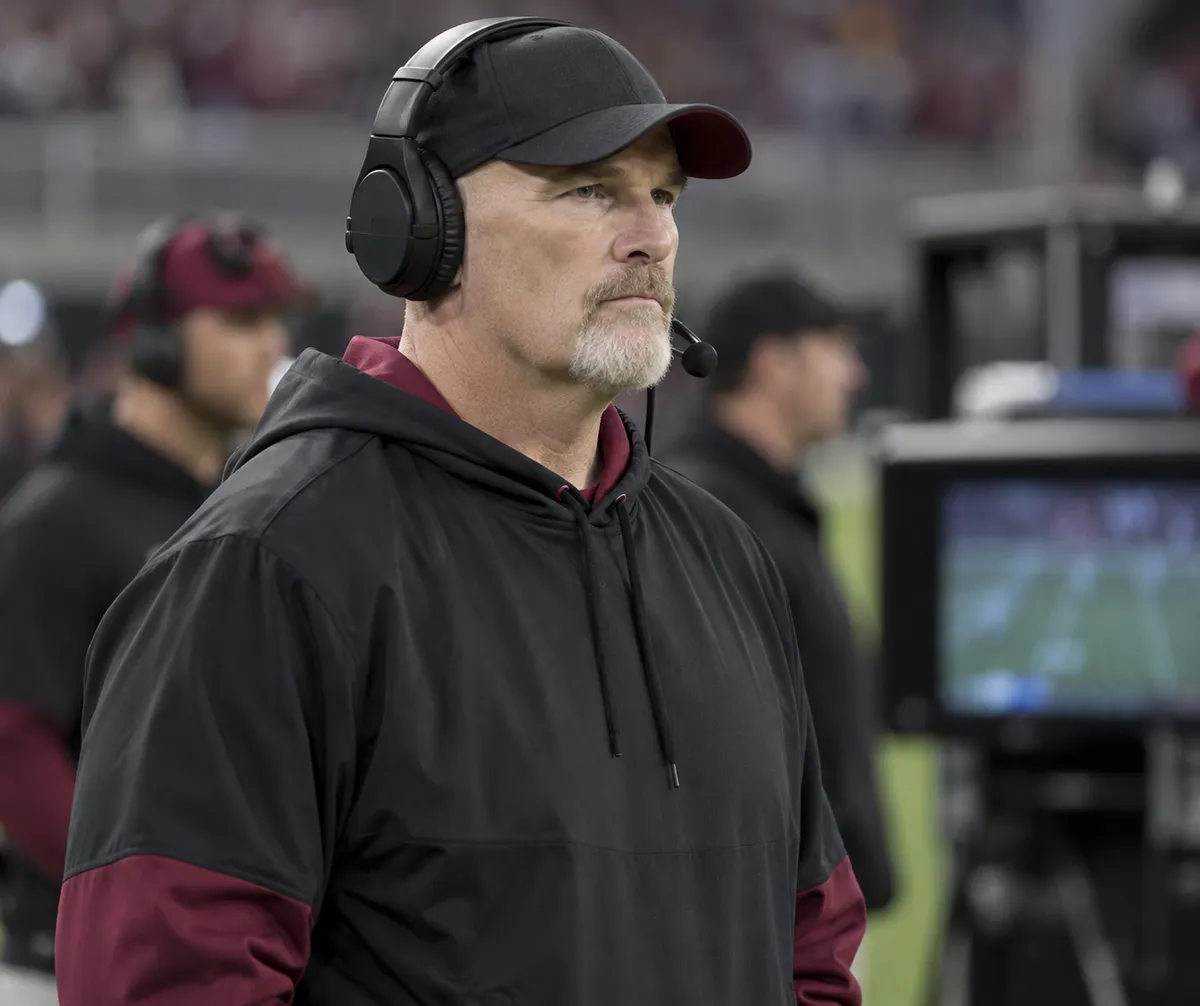
Dan Quinn's Monday Night Football loss to the 49ers produced a moment that spread fast: the Washington Commanders coach appeared to lose track of the down. By the end of this piece, you'll know what viewers thought they saw, what Quinn says was actually happening, and how to judge a viral sideline clip like this one for yourself.
The details below come from Fox News' reporting, which also references coverage on ESPN and from Pat McAfee. We're not on the Commanders' sideline, and nothing here is exclusive insider information. It's a look at the public record and what it does and doesn't prove.
What happened on Monday night
Per Fox News, Quinn appeared to lose track of downs during Washington's loss to San Francisco. The moment came one week after a separate clock-management controversy involving the Commanders, which put his game-management reputation under a brighter light than usual.
The clip drew attention on ESPN, on Pat McAfee's show, and on social media, where fans tried to lip-read what Quinn was saying. That last part matters. Lip-reading from a broadcast shot is guesswork, and any conclusion drawn from it should be treated as opinion, not fact.
Quinn's explanation
After the game, Quinn pushed back on the perception. According to Fox News, he said he knew it was fourth down. He said he was responding to a discussion on the headset after an illegal shift penalty.
That is his account, and it's a plausible one on its face. A penalty changes the situation quickly. Coaches get information from several voices at once: coordinators, analysts, and officials relaying the call. A coach reacting to that chatter can look, on camera, like he's confused about something else entirely.
We can't verify what was said on the headset. What we can say is that his explanation fits the sequence Fox describes: an illegal shift, then a conversation, then a reaction that looked to viewers like a down-and-distance mix-up.
Why one clip can define a coach
This is the real story. The football decision itself may be minor. The narrative around it is not.
A few things made this clip stick:
- Timing. It followed the clock-management issue from the week before. Two incidents in consecutive national windows read as a pattern, even if they have different causes.
- Platform. Monday Night Football is a showcase game. ESPN and McAfee amplified the moment to a large audience within hours.
- Ambiguity. A silent sideline shot invites viewers to fill in the blanks. Social media lip-reading filled them in, often with the least charitable reading.
It's hard not to notice that a coach's explanation, delivered after the game in a press setting, almost never travels as far as the clip itself.
How to evaluate a sideline moment fairly
Next time a coach looks lost on camera, try these checks before you decide.
1. Separate the picture from the decision
Did the team actually do something wrong on the field, such as a bad play call, a wasted timeout, or a delay of game? Or does the only evidence come from a coach's face and body language? In this case, the reporting points to a perception problem, not a confirmed mistake in the play call.
2. Look for a triggering event
Quinn pointed to an illegal shift penalty and a headset conversation. Penalties reset the situation and create a flurry of communication. Ask what had just happened before the camera cut to the coach.
3. Treat lip-reading as a rumor
Fan lip-reading from a TV angle is not a reliable source. If a claim depends on it, label it as speculation.
4. Check for a pattern in results, not clips
One confusing moment is an anecdote. Repeated late-game errors that show up in the box score, such as timeouts burned or clock mishandled, are evidence. The Commanders have had a clock controversy and now this episode, but they are different kinds of events, and only one of them involves a coach saying he made no error.
What it means for Washington
The Commanders were already facing criticism, per Fox News' framing. That context is why a relatively small moment became a bigger storyline. When a team is losing, every sideline image gets read as a symptom.
The practical test for Quinn is simple and has nothing to do with explanations: clean late-game management in the weeks ahead. If the next few fourth-quarter sequences go smoothly, this clip fades. If another one surfaces, the pattern narrative hardens, no matter what was said on the headset.
One more note of caution. Some commentary has wondered what ownership, including Josh Harris, may be watching behind the scenes. Nothing in the reporting we have says anything about the owner's views, so treat that as pure speculation.
The takeaway
When a clip goes viral, wait for the explanation and then look for evidence in the game itself. Quinn says he knew it was fourth down. Whether you believe him should depend on what Washington's late-game decisions look like over the next few weeks, not on a single camera angle.