
A note before we start: nflnewsinsider.com is a football site, and this story is outside our usual lane. It is a major world-news development, though, so here is a plain-spoken look at what was reported, who reported it, and what remains unknown. We have no special access to any of the parties involved, and everything below comes from the reporting of others.
What was reported
Iran is taking a tougher line in negotiations with the United States after Republican losses in the midterm elections, according to The New York Times, as summarized by Ynetnews. Per that reporting, Tehran reads the results as proof that its economic pressure campaign worked. That campaign centers on disruptions in the Strait of Hormuz.
The reported result: Iranian officials are offering fewer concessions at the table. Meanwhile, Washington is weighing three paths, according to the report: renewed strikes, diplomacy, or scaling back its regional military posture.
Why Iran sees leverage
The reported logic is simple. If the war and its economic fallout hurt Republicans with voters, then Iran has less reason to hurry toward a deal on U.S. terms. Pressure that raises costs at home for an American president becomes a bargaining chip.
That is Tehran's interpretation, as relayed by the Times. Whether voters actually punished Republicans over the war is a separate question, and the reporting summary we have does not settle it. Election outcomes have many causes. Still, what matters for negotiations is what each side believes, and Iran reportedly believes the pressure is working.
Why the Strait of Hormuz matters
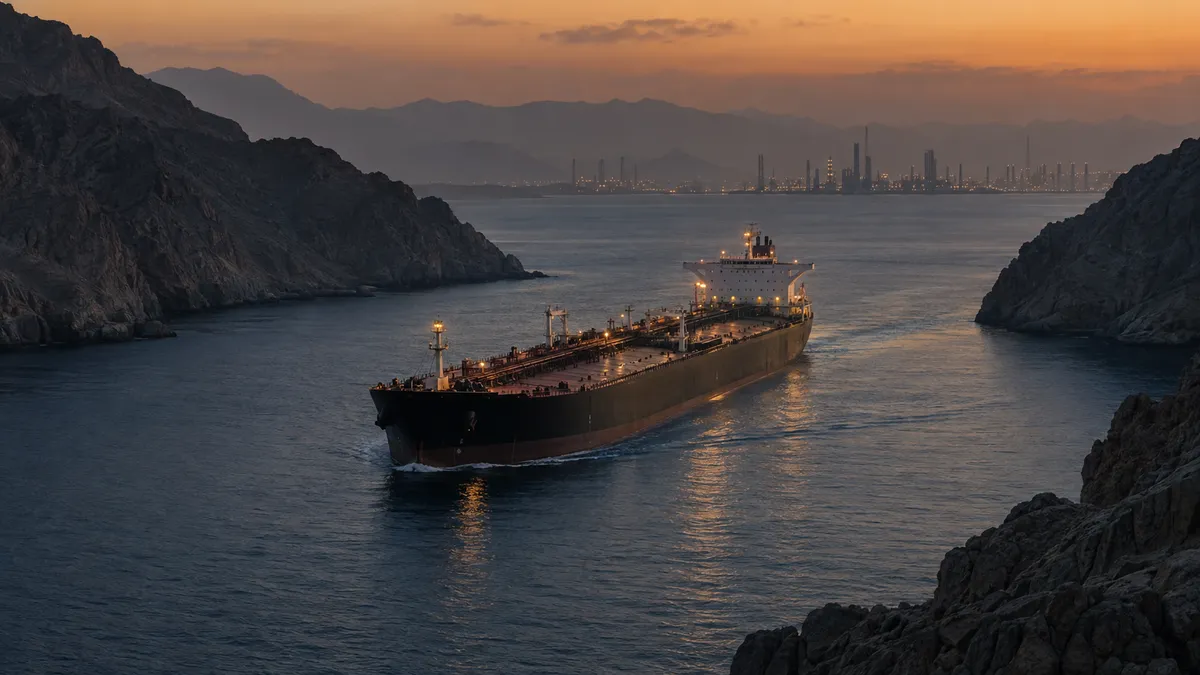
The strait sits at the center of the talks, per the report. Our source material does not include specifics such as shipping volumes or oil price figures, so we won't invent any. What it does say is that global shipping, oil markets, sanctions relief and U.S. election fallout are all converging on this one waterway.
Here is the practical takeaway. A chokepoint gives its holder influence beyond the battlefield. You don't need to win a military engagement if you can raise costs for the shipping and energy markets that other countries depend on. That is the kind of leverage the reporting says Iran is using.
Trump's three reported options
Renewed strikes
Military action is one path under consideration, according to the report. The summary does not say what a new round would involve or how likely it is.
Diplomacy
Talks continue, but with a harder Iranian posture. Sanctions relief is among the issues in play. If Iran offers fewer concessions, any deal becomes costlier for Washington to accept.
Scaling back
The third option is reducing the U.S. regional military presence. That could be read as de-escalation or as retreat, and the framing matters politically. It's fair to wonder how each side would sell that outcome at home.
What to watch
These are our observations, not reported facts. Three things will tell you whether Iran's read of the situation holds up:
- Whether Washington signals a shift among its three options.
- Whether Iranian officials keep their concessions limited or soften after a few weeks.
- Whether disruptions around the Strait of Hormuz continue to dominate the negotiating agenda.
The war is also becoming a domestic political liability in the U.S., per the framing of the report, which is why the election result carries weight abroad as well as at home.
What we don't know
The summary we rely on does not name the Iranian officials involved, give details of any proposals, or say how the administration is responding publicly. Treat any claim beyond what the Times reported with caution until more is confirmed.
The best way to follow this: read the original New York Times reporting directly, and compare it with coverage from several outlets before drawing conclusions.